
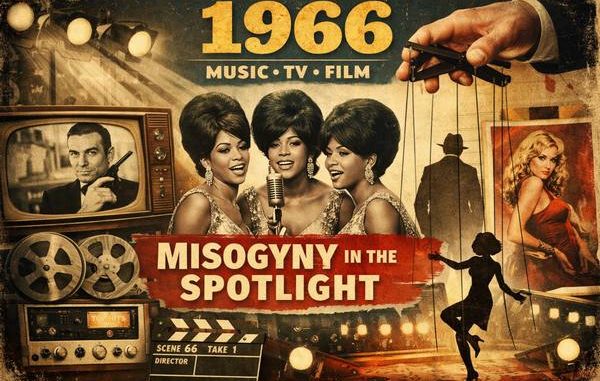
Recently, a friend of mine started making music using an AI app, and to my mild horror, it equaled – and in some cases outright surpassed – a large portion of what currently passes for “modern music.” After spending time with her work…the lyrical depth, stylistic range, and unmistakable presence of lived experience, it became impossible to keep pretending this blog was headed anywhere productive in its original form. I was already struggling to find meaning in contemporary releases, and this was the final nudge. If an average human, armed with nothing more than life experience, musical literacy, and a laptop, can produce something this visceral, then a lot of modern music suddenly feels… optional.
So, naturally, I pivoted. Again.
I retreated to what I consider the beginning of proper popular music…the moment albums became an art form rather than a delivery system for singles. That trail leads directly to 1966. I was four years old at the time, blissfully unaware of cultural engineering, but the year itself marks a clear inflection point. My original plan was simple: identify the most lauded albums from that year onward, select the ones I genuinely enjoyed or found interesting, and present them alphabetically.
Seems simple enough, right? Well, that plan technically still holds. What changed was what revealed itself once I stopped curating and started listening.
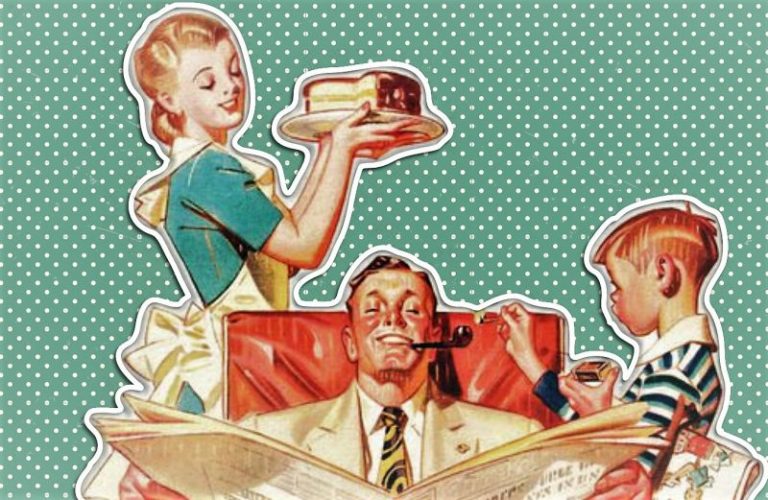
Very quickly, a pattern emerged…not musically, but lyrically. Song after song revolved around male–female relationships. That alone isn’t remarkable. What was remarkable was how narrow the emotional architecture turned out to be. Across rock, soul, folk, and pop, women appeared constantly but almost never as full participants. They were muses, problems, temptations, stabilizers, rewards…yet rarely allowed interiority or agency equal to the narrators.
This wasn’t limited to swaggering masculinity. Sensitive, wounded, poetic voices often reproduced the same imbalance using gentler language. Even empathy frequently came bundled with expectation: women as emotional caretakers, moral mirrors, or sources of male resolution. Misogyny here wasn’t loud. It was structural. Assumed rather than argued.
At first, I wondered if I was projecting. But the more the playlist unfolded, the harder it became to ignore. And once seen, it extended beyond music.
Television in 1966 largely reinforced the same dynamics. Domestic sitcoms, male-centered adventure shows, and authority fantasies placed women in visible but constrained roles – supportive, corrective, decorative, or lightly adversarial. Film followed suit. The year’s most successful movies centered male ambition, alienation, and self-definition, with women functioning primarily as motivation, disruption, or consequence. Different mediums, same grammar.
This isn’t an accusation. It’s a diagnosis.

1966 isn’t best understood as a year of malicious intent, but as a moment of cultural lag. Women had entered public life in unprecedented numbers, but the storytelling systems shaping popular consciousness hadn’t yet adapted. Culture had achieved inclusion before it understood equality. Representation arrived before reckoning.
Let’s be clear, I’m not approaching this as a feminist manifesto, nor as a retroactive moral trial. I’ve come to recognize that I, too, have carried subtle, unexamined misogyny through much of my adult life – shaped by the same background hum of normalized assumptions embedded in this material. Most of these artists were operating with the same blind spots. The records don’t indict; they reveal.
Which is why this project shifted.
What follows is still, technically, what I set out to do: a list of 1966 albums that remain largely listenable…though far less sacred or untouchable than decades of professional criticism have insisted. But it’s also something else. A snapshot of a culture mid-transition. They don’t explain 1966 – they contain it, with all of its confidence, blind spots, tensions, and unexamined assumptions intact.
And once you actually listen, those assumptions are hard to unhear.
With that said, here are the records.
_______________________________________________


CONFRONTATIONAL CONTROL
On Aftermath, the Rolling Stones turn misogyny into a defining aesthetic rather than a side effect …women are framed as burdens, threats, or conquests, and male grievance becomes identity. Emotional complexity exists, but it’s filtered through resentment and control rather than introspection.
River Deep – Mountain High frames devotion as a test of endurance rather than mutual exchange. Love is measured in scale, sacrifice, and emotional extremity. Control here is not sneering or resentful, it is absolute and unquestioned. Meanwhile, The Exciting Wilson Pickett weaponizes desire itself. Pickett’s performances radiate dominance and command, channeling sexuality as authority rather than connection.
Together, these albums illustrate a 1966 mindset where imbalance wasn’t hidden or apologized for; it was performed, celebrated, and mistaken for strength…just before the culture would begin to question whether control was ever the same thing as power.


BENEVOLENT IMBALANCE
On And Then….Along Comes The Association, emotional restraint and moral clarity are presented as virtues, with women often positioned as stabilizing ideals rather than autonomous actors. The album’s calm sophistication suggests maturity while quietly narrowing the range of acceptable feeling.
Daydream wraps imbalance in affability. It’s easygoing charm and conversational intimacy make male perspective feel universal, while conflict and consequence are softened into mood. Meanwhile, If You Can Believe Your Eyes and Ears dresses emotional turbulence in lush harmonies, normalizing instability by making it beautiful and communal.
Benevolent Imbalance represents 1966’s most persuasive illusion: that kindness, beauty, and sincerity could substitute for equity, and that feeling good together was proof that nothing deeper needed to change.


IRONIC DETACHMENT
On Freak Out!, satire becomes a weapon. Zappa dismantles pop culture, consumerism, and social norms by overstating them until they collapse under their own ridiculousness. Misogyny, conformity, and authority aren’t corrected…they’re mirrored back in grotesque form, making sincerity feel suspect and earnestness naïve.
By contrast, Sounds of Silence retreats inward. Its detachment is quiet rather than caustic, marked by observation without intervention. Alienation becomes a vantage point: the world is seen clearly, but from a remove that avoids direct engagement.
Together, these albums define ironic detachment as a coping strategy for 1966…a way of acknowledging dysfunction without yet believing it could be fixed, and of standing apart when standing up still felt impossible.


SYMBOLIC ABSTRACTION
On Blonde on Blonde, Dylan abandons linear storytelling in favor of surreal tableaux and emotional riddles. Relationships dissolve into symbols of power, desire, exhaustion, and disillusionment, with women often functioning as mirrors for male confusion rather than fully articulated subjects.
Fifth Dimension reaches abstraction through cosmic aspiration by drawing on psychedelia, jazz phrasing, and spiritual inquiry to stretch perception beyond the personal. Yet even here, transcendence is gestured toward rather than achieved; enlightenment is implied, not embodied.
Together, these albums define Symbolic Abstraction as 1966’s pivot away from certainty: when truth could no longer be stated plainly, it had to be imagined, decoded, and felt…setting the stage for consciousness itself to become the next frontier.
___________________________________________________
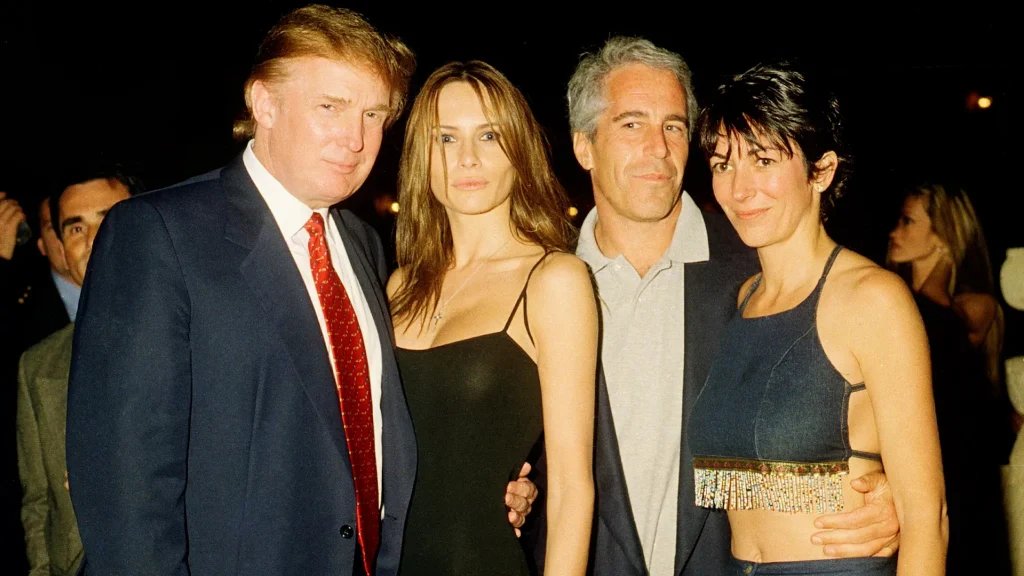
I am now halfway through this list, and I can’t shake the nagging notion that as I sit here in 2026, the “Epstein era”, nothing has really changed in a systematic way over the past six decades. The surface has shifted…language has softened, roles have blurred, and the rhetoric of equality is everywhere, but the deeper structures feel strangely familiar. That realization reframes what these records are doing.
In 1966, popular music was overtly male-centered and structurally patriarchal, yet strikingly unguarded. Songs articulated desire, resentment, dependency, and authority without apology or self-surveillance, allowing imbalance to surface audibly rather than rhetorically.
By 2026, the language of popular culture has become more careful, therapeutic, and morally fluent, yet the underlying power structures have not dissolved so much as relocated. Patriarchy no longer announces itself through blunt narration or domestic authority; it concentrates upward, insulated by wealth and institutions, while everyday expression is tightly managed.
The result is not the absence of imbalance but its concealment: where 1966 content inadvertently documented power because no one was guarding them, contemporary culture often obscures power because everyone is.
____________________________________________________


BLUES-INHERITED IMBALANCE
On Blues Breakers with Eric Clapton, virtuosity itself becomes authority. Clapton’s guitar asserts command through volume and precision, elevating male prowess as the central expressive force while emotional nuance takes a secondary role.
East-West stretches the tradition further, extending blues structures into improvisation and modal exploration. Yet even as the music opens outward, its power dynamics remain intact…long solos, physical endurance, and dominance through sound define who leads and who follows.
Together, these albums reveal how imbalance could persist without overt aggression: inherited through tradition, reinforced by technique, and normalized as authenticity and carrying unresolved tensions forward into the psychedelic era.


WOUNDED DEPENDENCY
On Moods of Marvin Gaye, Marvin Gaye performs longing as restraint. His voice conveys intimacy and tenderness, yet the emotional posture is deferential…love expressed through patience, waiting, and self-suppression. Vulnerability is allowed, but agency remains limited, reinforcing a dynamic where emotional labor flows unevenly.
Pet Sounds internalizes dependency even further. Brian Wilson’s songs are saturated with insecurity, idealization, and fear of abandonment, presenting masculinity not as dominance but as emotional exposure without tools for reciprocity. Women become anchors, aspirations, or stabilizers…figures upon whom emotional equilibrium depends.
Together, these albums define Wounded Dependency as 1966’s most fragile state: a recognition that something is broken, paired with an inability to imagine connection without imbalance.


TRANSITIONAL AWARENESS
On Da Capo, that awareness emerges through contrast. The album moves from concise, emotionally direct songwriting into abstraction and improvisation, mirroring a psyche that can no longer stay within familiar bounds.
Revolver expands this awareness further, turning inward while simultaneously reaching outward through studio experimentation, altered perspectives, and philosophical questioning. Power hierarchies soften, ego becomes suspect, and consciousness itself becomes subject matter.
Together, these albums define the realization that the map is wrong, paired with the tentative courage to keep moving anyway directly into the psychedelic unknown of 1967.
__________________________________________________

THE SUPREMES A’ GO-GO
BENEVOLENT IMBALANCE: The Supremes A’ Go-Go is often remembered as a milestone of female visibility in popular music, and rightly so since the album places women unmistakably at the center of the cultural conversation. Yet visibility here does not equate to authorship or agency. The emotional narratives remain tightly structured, presenting love as longing, patience, heartbreak, and endurance. Desire is expressed, but within carefully managed boundaries that reward restraint, loyalty, and emotional composure.
The album exemplifies how patriarchy can adapt without relinquishing control. Female voices are foregrounded, empowered sonically and aesthetically, while the relational posture remains asymmetrical. Women sing their inner lives with clarity and conviction, but those inner lives are shaped around male absence, male decision-making, and male return. Emotional labor is elevated, stylized, and celebrated…yet still expected.
In 1966 terms, The Supremes A’ Go-Go represents a pivotal transition point: inclusion has arrived, but equality has not. The album doesn’t resist patriarchal structure so much as operate fluently within it, offering strength without autonomy and expression without authorship. It closes the year not with resolution, but with a polished confirmation of the central tension we have been tracing all along.
________________________________________________

Male-Centered Television (1966)
Shows like Bonanza, The Andy Griffith Show, Green Acres, and The Beverly Hillbillies normalize a world where male authority is assumed and rarely questioned. Men anchor community, logic, and decision-making; women circulate as domestic stabilizers, comic foils, or gentle correctives. Even when humor softens hierarchy, narrative gravity remains male.
Military and authority-driven series like Hogan’s Heroes and Gomer Pyle, U.S.M.C. further center male camaraderie and institutional life, treating women as peripheral to the “real” action. Meanwhile, Batman exaggerates masculinity into camp spectacle.
Across genres, television presents masculinity as the default lens through which order, humor, and meaning are organized.
Male-Centered Cinema (1966)
Films like Alfie, The Sand Pebbles, Hawaii, and Grand Prix amplify this posture on a larger scale. These stories are structured around male interiority…ambition, rebellion, duty, existential drift, while women orbit as consequences, tests, or rewards. Even when a film like Alfie foregrounds sexual politics, it does so through an unbroken male point of view, turning women into mirrors for male self-assessment rather than autonomous agents.
Taken together, 1966 cinema reinforces a cultural assumption already audible in the music: men act, decide, and search for meaning; women respond, endure, or symbolize what’s at stake.

Female-Centered Television & Cinema (1966)
Shows like Bewitched and The Lucy Show place women at the narrative center, but within carefully managed boundaries. Bewitched offers supernatural female power while simultaneously neutralizing it through domestic containment; Samantha’s abilities are vast, yet perpetually subordinated to marital harmony and male comfort. Power exists, but only on the condition that it not disrupt the established order.
The Lucy Show continues Lucille Ball’s mastery of comic agency, yet Lucy’s independence is framed as chaos to be corrected, with humor functioning as a pressure valve that prevents autonomy from hardening into authority.
In cinema, Georgy Girl and Who’s Afraid of Virginia Woolf? expand female interiority but at a cost. Georgy Girl presents a woman negotiating sexuality, independence, and self-worth, yet ultimately reinscribes fulfillment through relational settlement rather than sustained autonomy.
Who’s Afraid of Virginia Woolf? offers one of the most searing portraits of female rage, intellect, and psychological dominance of the era…but that power is inseparable from self-destruction, alcoholism, and relational warfare. Female agency is permitted, even terrifying, but only when framed as corrosive rather than generative.


Leave a Reply